








 GET QUOTE
Home / Editorial / Kitchen Cabinet Materials Explained: What Should Homeowners Look For?

16 Nov 2026
Kitchen Cabinet Materials Explained: What Should Homeowners Look For?
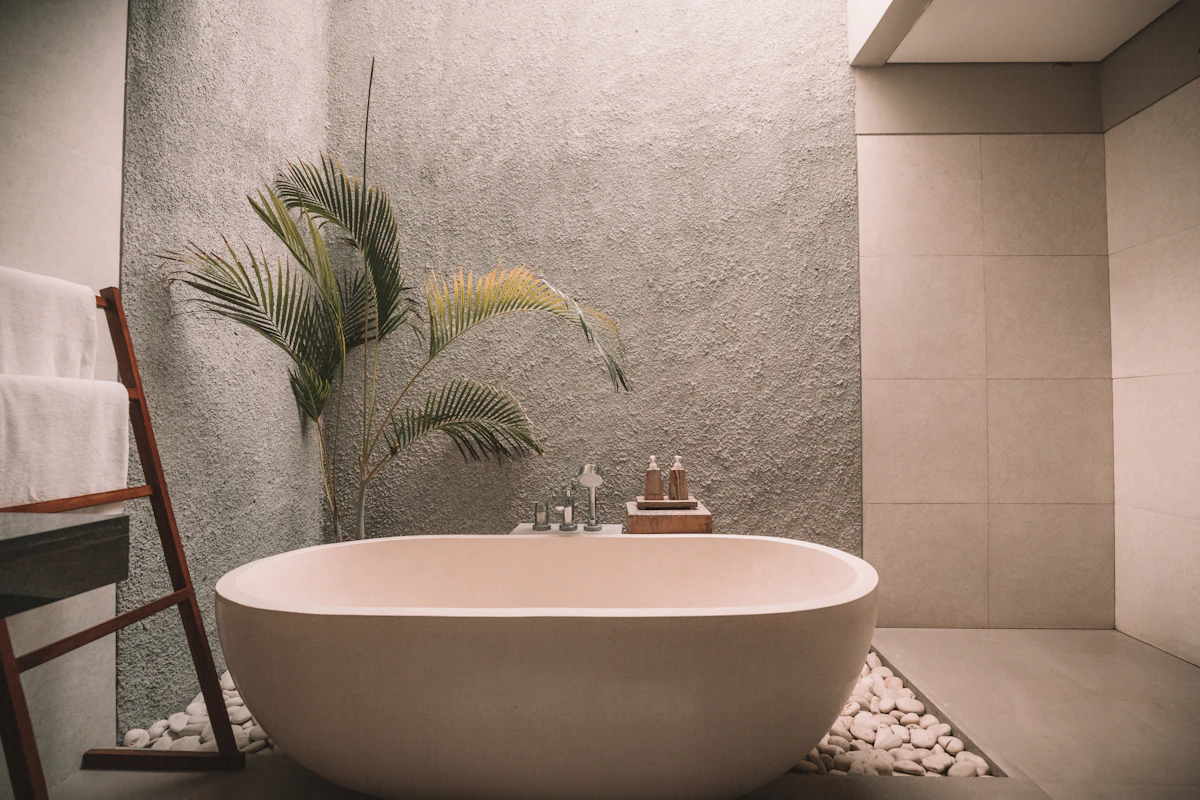
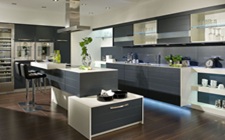
Figure 1: Evaluating the technical density, moisture resistance, and edge bonding of kitchen cabinet substrates ensures your renovation survives decades of daily family use.
I. Introduction to Kitchen Cabinet Materials
When planning a kitchen renovation, it is easy to become captivated by paint palettes, quartz veins, and designer taps. However, the true longevity, structural load capacity, and daily performance of your kitchen depend on a less glamorous factor: the materials used to build your cabinet carcasses and door fronts[1]. A kitchen operates in the harshest microclimate in your home, constantly exposed to steam, cooking oils, boiling water spills, fluctuating ambient temperatures, and heavy mechanical forces from soft-close hardware.
Many UK homeowners struggle with conflicting advice regarding whether solid timber is always superior to engineered boards, or how modern high-pressure laminates differ from lacquered finishes. Choosing the wrong substrate can result in warped door fronts, sagging shelves under cast-iron cookware, or edge delamination near boiling kettles and dishwashers. This comprehensive master guide provides a technical, unbiased breakdown of common kitchen cabinet materials, comparing their core density, moisture resistance, durability, maintenance requirements, environmental impact, and costs.
Before purchasing cabinetry, explore overall financial allocation strategies in our Kitchen Renovation Costs guide, review installation timelines in The Master Kitchen Renovation Timeline, or consult spatial planning experts at Xeeni Kitchens Design Services. You can also compare custom studio ranges at Xeeni.com, explore German engineering precision on The German Kitchens, or source factory-built rigid carcasses via Trade Kitchens UK.
Key Technical Benchmarks: Kitchen Cabinet Materials
- Carcass Density Standard: 18mm high-density MFC (650–700 kg/m³) or furniture-grade birch plywood (680–720 kg/m³) provides optimal screw retention and shelf anti-sag strength.
- Door Core Standard: Moisture-Resistant MDF (MR-MDF) with an EN 317 swelling rate under 8% after 24 hours of water immersion serves as the global benchmark for painted/lacquered doors.
- Edge-Banding Technology: Polyurethane (PUR) and laser-fused edging create 100% waterproof, heat-resistant seams up to 150°C.
- Environmental Certifications: FSC (Forest Stewardship Council), PEFC, and CARB Phase 2 / European E1 low-formaldehyde emissions (?0.07 ppm).
- Relative Cost Benchmark: Melamine MFC (£) < HPL Laminate (££) < Multi-Layer Lacquer (£££) < Solid Hardwood / Sintered Ceramic (££££).
II. Common Kitchen Cabinet Materials: Substrates & Finishes
To evaluate kitchen cabinetry accurately, you must distinguish between the internal structural substrate (the carcass and door core) and the exterior surface finish applied over it[2].
1. Core Cabinet Substrates
A. Melamine-Faced Chipboard (MFC)
Technical Profile: Engineered wood panels manufactured by bonding wood chips under high heat ($180^\circ\text{C}$–$220^\circ\text{C}$) and hydraulic pressure with synthetic resins, sealed on both faces with resin-impregnated decorative melamine paper. Typical board density ranges between 650 and 700 kg/m³.
Pros: Highly cost-effective, factory-consistent, naturally warp-resistant across wide temperature swings, and available in hundreds of plain colors and textured woodgrains. Used by leading European manufacturers for 18mm rigid carcasses.
Cons: If raw cut edges are left unsealed or bonded with cheap hot-melt glues, standing water can penetrate unsealed particle cores, causing swelling.
B. Medium-Density Fibreboard (MDF) & MR-MDF
Technical Profile: Engineered panels produced by breaking down softwood and hardwood residuals into ultra-fine wood fibres, combined with wax and synthetic resin binders, and compressed into dense uniform sheets (700–800 kg/m³). Moisture-Resistant MDF (MR-MDF) incorporates specialized green moisture-repellent resins.
Pros: Flawlessly smooth surface with zero grain texture, making it the supreme substrate for sprayed paint and multi-coat lacquer finishes. MR-MDF features an EN 317 thickness swelling rate under 8% after 24 hours of submersion, resisting steam near kettles and hobs.
Cons: Heavier than chipboard, requiring robust trade installation fixings and heavy-duty soft-close hinges.
C. Furniture-Grade Birch Plywood
Technical Profile: Constructed from multiple thin plies (typically 9 to 13 cross-laminated layers for 18mm board) of birch veneer glued with alternating grain directions using water-resistant adhesives (density approx. 680–720 kg/m³).
Pros: Exceptional structural strength-to-weight ratio, outstanding resistance to moisture expansion, high screw pull-out resistance, and attractive visible exposed edge grains prized in architectural joinery.
Cons: Carries a 40% to 70% price premium over standard MFC. Lower-grade plywood sheets can contain internal core voids.
D. Solid Hardwood (Oak, Ash, Walnut)
Technical Profile: Natural timber planks cut from slow-growing deciduous hardwood trees, dried to an 8%–12% moisture content before joinery assembly.
Pros: Unmatched natural warmth, unique grain character, and the ability to be sanded, repaired, and re-stained multiple times over a 50+ year lifespan.
Cons: Naturally expands and contracts with changes in ambient kitchen humidity (up to 3–5mm across a wide door panel), which can cause paint cracking along joint seams. High material cost and regular oiling requirements.

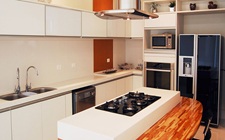
Figure 2: Precision engineered MR-MDF door fronts provide a perfectly flat surface for sprayed lacquers, maintaining dimensional stability without joint cracking.
2. Exterior Door Finishes & Surface Technologies
The surface finish dictates the visual bounce, cleanability, and tactile experience of your kitchen:
- High-Pressure Laminate (HPL): Multi-layer kraft paper soaked in phenolic resins and topped with a decorative melamine overlay, compressed under 10 MPa of pressure. Highly resistant to impact, scratches, and temperatures up to 180°C.
- Multi-Layer Polyurethane Lacquer: Applied across sanded MR-MDF cores in automated spray booths in 3 to 5 coats, creating a 360-degree seamless moisture envelope without visible edge seams. Learn about lacquered German engineering in Nobilia Kitchen Ranges Explained.
- Anti-Fingerprint Nano-Coated Lacquer: Ultra-matt surfaces treated with electron-beam curing that diffuses ambient light and repels skin oils, eliminating grease smudges on dark cabinetry.
- Real Timber Veneer: A fine 0.6mm layer of real oak or walnut bonded to an MDF core, providing authentic timber warmth without the warping risks of solid wood.
- Sintered Ceramic & Micro-Cement: Real porcelain or concrete facings (2–3mm thick) bonded to rigid backing boards for high-end industrial architecture. Discover how these finishes are engineered in What Makes a German Kitchen Different from a Standard Fitted Kitchen.
Substrate & Finish Comparison Table
Evaluate how different kitchen cabinet materials perform across key technical criteria:
| Material / Finish | Moisture Resistance | Scratch & Impact Resistance | Maintenance Level | Relative Cost Tier | Expected Lifespan |
|---|---|---|---|---|---|
| 18mm High-Density MFC | High (with PUR Edging) | High | Low (Wipe clean) | £ (Budget / Mid) | 15–20 Years |
| Moisture-Resistant MDF (MR-MDF) | Very High (when sealed) | Moderate to High | Low to Moderate | ££ (Mid-Range) | 20–25 Years |
| Furniture-Grade Plywood | Extremely High | High | Moderate (Periodic oiling) | £££ (Upper Mid / High) | 25+ Years |
| Solid Hardwood (Oak/Ash) | Moderate (Vulnerable to humidity) | Moderate (Can dent/scratch) | High (Needs re-sealing) | ££££ (Premium) | 30+ Years (Refinishable) |
| High-Pressure Laminate (HPL) | High | Extremely High (4H Rated) | Low (Effortless cleaning) | ££ (Mid-Range) | 20+ Years |
| Multi-Layer Lacquer / Nano-Matt | Very High (Seamless barrier) | Moderate to High | Low (Microfibre cloth only) | £££ (Mid to Premium) | 20+ Years |
"The biggest myth in kitchen joinery is that solid wood is universally superior to engineered boards. For flat painted doors and handleless runs, solid timber continuously moves with central heating and steam. An 18mm MR-MDF core wrapped in PUR-edged laminate or sprayed lacquer will maintain razor-sharp grid alignment for decades without warping."
— Technical Advisory Committee, Furniture & Joinery Standards Institute
III. Choosing the Right Cabinet Material for Your Needs
Selecting the optimal material requires evaluating your household lifestyle, cooking style, aesthetic vision, and project budget[3]:
1. For Busy Family Homes with Young Children & Pets
Active family households require materials that withstand impacts, toy collisions, and sticky handprints. Pair **18mm high-density MFC rigid carcasses** with **High-Pressure Laminate (HPL)** or **anti-fingerprint ultra-matt door fronts**. These finishes hide daily smudges and resist impact chipping. Explore practical open-plan layout advice in our guide on How to Make an Open-Plan Kitchen Work Better for Family Life.
2. For Ultra-Modern Minimalist & Handleless Aesthetics
True handleless kitchens rely on unbroken horizontal lines and recessed Gola channel rails. For these configurations, **lacquered MR-MDF** or **laser-edged laminate** door fronts are essential because they provide perfectly crisp, flat geometry without warping. Learn how to select handleless German ranges in How to Choose the Right German Kitchen Range for Your Home.
3. For Period Properties & Classic Shaker Styles
If you live in a Victorian or Edwardian home, a five-piece shaker door constructed with a solid timber frame and an MR-MDF centre panel offers the ideal compromise: you achieve authentic timber grain on the exterior frame while the engineered centre panel prevents paint cracking along joint seams. Prevent spatial layout errors by reviewing Kitchen Design Mistakes to Avoid.
4. For Compact Kitchen Footprints & High Storage Needs
In smaller UK homes where every cubic centimeter counts, lightweight yet strong materials allow for deeper drawers and full-height ceiling units. Read our space-saving recommendations in The Best Kitchen Storage Ideas for Small UK Homes.
5. For Budget-Conscious Renovations & Trade Fitters
If maximizing return on investment is your priority, invest your budget into pre-assembled 18mm rigid carcasses and choose durable melamine door fronts. Independent installers can source factory-direct carcasses on Trade Kitchens UK. For disciplined financial planning, consult How to Plan a Kitchen Renovation Without Going Over Budget.

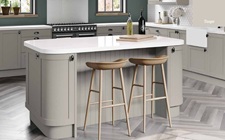
Figure 3: PUR laser edge-banding fuses 2mm ABS protective edging directly to board cores, creating a 100% waterproof seal against kettle steam.
IV. Durability and Maintenance Requirements
Different materials require specific cleaning techniques and preventative maintenance to ensure they last their full 20+ year lifespan:
1. Moisture Protection & Heat Zone Management
- Kettle & Toaster Steam: Never operate a boiling kettle directly beneath wall cabinet seams. Steam can soften traditional hot-melt adhesives over time, leading to edge lifting.
- Dishwasher Deflector Strips: Ensure your kitchen fitter installs a moisture barrier deflector shield directly beneath the worktop above the dishwasher to protect adjacent cabinet carcasses.
- Hob Heat Deflection: Cabinets positioned next to high-output ovens and hobs should feature stainless steel heat deflector strips to prevent lacquer discoloration.
2. Proper Cleaning Protocols by Material Type
- Lacquered & Nano-Matt Doors: Clean exclusively with a soft microfibre cloth dampened with warm water and mild liquid soap. Never use abrasive scouring powders, bleach, or alcohol-based glass cleaners, which break down protective coatings.
- Melamine & Laminate Surfaces: Wipe clean with standard mild multi-surface kitchen sprays. Stubborn grease can be treated with baking soda and warm water paste.
- Solid Timber & Wood Veneers: Wipe along the grain using a damp cloth; dry immediately. Apply specialized furniture wax or Danish oil every 12–18 months to prevent timber drying and cracking.
V. Eco-Friendly and Budget-Friendly Options
Sustainability and cost-efficiency can work hand in hand when selecting kitchen cabinet materials[4]:
1. Sustainable Material Sourcing (FSC & PEFC Timber)
Ensure all engineered wood products—whether MFC, MDF, or plywood—carry formal FSC (Forest Stewardship Council) or PEFC certification. This verifies that wood fibres originate from responsibly managed European forests that prevent deforestation. Leading German manufacturers featured on The German Kitchens utilize up to 90% recycled wood chips in their rigid carcass production.
2. Low-VOC & Formaldehyde Compliance
Traditional furniture resins historically emitted volatile organic compounds (VOCs) and formaldehyde fumes. Modern high-standard cabinetry adheres to strict CARB Phase 2 and European E1 / F**** emissions standards ($\le 0.07\text{ ppm}$ formaldehyde limit), utilizing water-based paints and low-emission adhesives to guarantee healthy indoor air quality.
3. Budget-Friendly Design Strategies
- Pair Standard MFC Carcasses with Premium Fronts: Keep interior costs low with standard white or grey 18mm MFC carcasses from Trade Kitchens UK, spending your budget on high-impact lacquered doors for visible runs.
- Optimize Storage Hardware: Use deep pan drawers for high-use zones and open cupboards for secondary storage.
- Schedule Your Renovation Efficiently: Ensure material orders match your build timeline by following The Master Kitchen Renovation Timeline.
Explore Material Samples with an Expert Designer
Compare door finishes, touch real stone and lacquer samples, and receive personalized material advice for your renovation project.
Book a Kitchen Material ConsultationExplore Our UK Kitchen Solutions Network
Leverage our specialist UK platforms to optimize your renovation strategy and procurement:
- Bespoke Studio Design: Work with senior spatial designers at Xeeni.com.
- Custom Fitted Collections: Explore space-saving ranges and material guides at Xeeni Kitchens.
- German Engineering Hub: Compare authentic factory German ranges at The German Kitchens.
- Direct Trade Carcasses: Fitters and trades can source pre-assembled 18mm carcasses directly at Trade Kitchens UK.
- Financial Allocation Guide: Master budget management in Kitchen Renovation Costs: Where to Spend vs Save.
- Project Timeline Guide: Plan your installation schedule with The Master Kitchen Renovation Timeline.
VI. Conclusion and Final Buyer Recommendations
Choosing the right kitchen cabinet materials comes down to understanding the distinct roles of structural substrates and exterior surface finishes. While solid timber retains romantic appeal, modern engineered boards—such as 18mm high-density MFC, MR-MDF, and birch plywood—offer superior dimensional stability, moisture resistance, and long-term durability in real-world UK kitchen environments.
Summary of Key Takeaways for Homeowners:
- Insist on 18mm Rigid Carcasses: Avoid flimsy 15mm flat-pack units; verify solid back panels and PUR laser edge-banding.
- Choose Finishes Based on Lifestyle: Opt for HPL laminate or anti-fingerprint lacquers for busy family homes; reserve real timber veneers for accent areas.
- Verify Environmental Credentials: Ensure timber products carry FSC/PEFC certifications and E1 low-formaldehyde emissions.
- Maintain Proper Care: Use microfibre cloths, avoid abrasive scouring pads, and protect cabinetry from direct steam.
Frequently Asked Questions (FAQs)
Direct answers to common queries regarding kitchen cabinet materials:
Q1: What is the best material for kitchen cabinet carcasses?
Answer: For interior cabinet carcasses, 18mm high-density Melamine-Faced Chipboard (MFC) with a density of 650–700 kg/m³ and PUR laser edge-banding offers the optimal combination of dimensional stability, load-bearing strength, and warp resistance.
Q2: Is solid wood better than MDF for kitchen cabinets?
Answer: Solid wood provides natural grain beauty and can be sanded or refinished, but it naturally expands and contracts with changes in kitchen humidity. High-density Moisture-Resistant MDF (MR-MDF) is superior for painted finishes and flat door profiles because it remains completely stable without warping or cracking.
Q3: What is the most durable kitchen door finish for busy family homes?
Answer: High-Pressure Laminate (HPL) and electron-beam cured anti-fingerprint ultra-matt lacquers are the most durable finishes. They offer outstanding scratch, heat, and impact resistance while remaining effortless to wipe clean.
Q4: How do I ensure my kitchen cabinet materials are eco-friendly?
Answer: Look for FSC (Forest Stewardship Council) or PEFC timber certifications, low-formaldehyde CARB Phase 2 / E1 emissions compliance, recyclable aluminium components, and water-based non-toxic lacquer coatings.
Q5: What is PUR edge-banding and why does it matter?
Answer: Polyurethane (PUR) edge-banding uses an active chemical adhesive applied under intense heat to fuse 2mm ABS protective edging to raw board cores. Unlike standard EVA hot-melt glue tape, PUR creates a 100% waterproof, heat-resistant bond that prevents steam swelling near kettles and dishwashers.
Q6: How long should high-quality kitchen cabinets last?
Answer: High-quality 18mm rigid MFC or plywood carcasses with PUR edge-banding and Blum/Grass hardware have an expected structural lifespan of 20 to 25+ years under standard UK residential usage.
Cited Sources & Industry References
- Kitchen Bathroom Bedroom Specialists Association (KBSA): Technical Guide to Cabinetry Substrates & Structural Standards.
- Forest Stewardship Council UK (FSC): Certified Timber Standards & Responsible Forestry Benchmarks.
- DGM (Deutsche Gütegemeinschaft Möbel e.V.): Testing Criteria for Durability, Moisture Resistance & Indoor Air Emissions in Kitchen Furniture.
- Royal Institution of Chartered Surveyors (RICS): Residential Renovation Valuation & Material Longevity Report.