











 GET QUOTE
Home / Editorial / Kitchen Renovation Costs: Where Should You Spend and Where Can You Save?

01 Nov 2026
Kitchen Renovation Costs: Where Should You Spend and Where Can You Save?
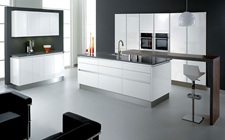
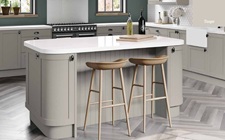
Figure 1: Strategic budget allocation enables UK homeowners to achieve high-end luxury aesthetics without overspending.
I. Introduction to Kitchen Renovation Costs
A kitchen renovation is widely considered one of the most rewarding home improvement projects you can undertake in the UK. Beyond redefining the heart of your home and elevating daily family life, a well-planned kitchen remodel can increase overall property market value by 5% to 10%, yielding a return on investment (ROI) of between 50% and 80% upon resale. However, it is also one of the easiest home improvements to blow the budget on if you step into the process without a clear financial roadmap.
Homeowners often feel overwhelmed by the costs associated with kitchen renovations, unsure of how to balance their dream aesthetic with practical financial limits. Understanding average UK price points, the core factors driving costs, and the importance of disciplined budgeting is essential to navigating your project with confidence. To ensure your build stays strictly on schedule alongside your budget, refer to our comprehensive Kitchen Renovation Timeline guide.
Average UK Kitchen Renovation Costs (2026 Benchmarks)
In the UK, the cost of a full kitchen renovation ranges between £5,000 and £25,000+ fully installed, with a typical mid-range project landing at approximately £12,000 to £16,000:
- Budget Refresh (£5,000 – £8,000): Ideal for smaller kitchens or cosmetic updates. Includes flat-pack cabinetry (e.g., Wickes, IKEA, B&Q), laminate worktops, standard appliances, and minimal plumbing or electrical layout changes.
- Mid-Range Transformation (£12,000 – £22,000): The standard for most UK homeowners. Features pre-assembled 18mm rigid trade carcasses (e.g., Howdens, Magnet, or trade suppliers), quartz worktops, mid-range appliances (Neff, Bosch), and full trade fitting.
- Premium & Bespoke (£25,000 – £50,000+): High-end architectural remodels featuring engineered German ranges (such as Nobilia or Bauformat) or bespoke hand-painted joinery, luxury stone slabs, underfloor heating, and structural modifications.
Key Factors Contributing to Overall Cost
Several primary factors dictate where your final quote lands:
- Cabinetry Construction & Supplier: Mass-produced flat-pack units (15mm MFC) cost significantly less upfront than factory-built 18mm rigid carcasses or hand-crafted joinery. Discover how material selections affect durability in our guide on Kitchen Cabinet Materials Explained.
- Worktop Materials: High-pressure laminate ranges from £200–£800, whereas solid quartz, granite, or dekton ranges from £1,200 to £3,000+ installed.
- Structural & Utility Modifications: Replacing units "like-for-like" in existing positions is cost-effective. Rerouting gas lines, soil pipes, or removing load-bearing walls adds £2,000 to £8,000 in trade fees.
- Appliance Specification: Entry-level appliance suites start around £800, while premium integrated tech suites can easily exceed £4,000.
- Regional Trade Labour Rates: Labour in London and the South East runs 20% to 35% higher than in the Midlands or North of England.
Key Industry Benchmarks: UK Kitchen Cost Allocation (2026)
- Average All-In UK Kitchen Spend: £12,000 – £16,000 (Mid-range) | £25,000+ (Premium)
- Ideal Budget Breakdown: Cabinetry (35%), Appliances (20%), Fitting & Trades (20%), Worktops (15%), Fixtures (10%)
- Mandatory Contingency Buffer: 15% to 20% reserved for hidden trade discoveries
- Labour Day Rates UK: £250 – £350 per day for certified kitchen fitters; £300–£400 for Gas Safe & Part P trades
- Property Value Equity Boost: +5% to +10% average market valuation increase on UK residential homes
Recommended Budget Breakdown Formula
To avoid blowing your budget, establish a clear percentage allocation across key components before making any purchases:
| Component | Budget Allocation | £ Budget (£15k Total) | £ Budget (£30k Total) | Primary Focus |
|---|---|---|---|---|
| Cabinetry & Joinery | 35% | £5,250 | £10,500 | Rigid carcasses, door fronts, soft-close hardware. |
| Integrated Appliances | 20% | £3,000 | £6,000 | Oven, hob, extractor, fridge-freezer, dishwasher. |
| Trade Fitting & Labour | 20% | £3,000 | £6,000 | Kitchen fitter, Gas Safe plumber, Part P electrician. |
| Worktops & Surfaces | 15% | £2,250 | £4,500 | Quartz, granite, ceramic, or compact laminate. |
| Fixtures & Decorating | 10% | £1,500 | £3,000 | Sink, tap, splashback tiles, flooring, paint. |
II. Prioritizing Spending in a Kitchen Renovation
When renovating a kitchen, not all components are created equal. Knowing where to allocate your budget ensures long-term structural durability and high buyer appeal.
1. Core Cabinet Carcasses & Soft-Close Hardware
Why Invest: You can easily repaint or replace door fronts in ten years, but replacing weak, water-damaged cabinet carcasses requires ripping out the entire kitchen, including stone worktops.
Recommendation: Invest in high-density, rigid 18mm factory-assembled carcasses rather than cheap 15mm flat-pack units. Ensure draw runners and hinges feature industry-leading soft-close systems (such as Blum or Grass) engineered for heavy weight loads. Learn more about precision cabinet construction in our deep-dive on What Makes a German Kitchen Different from a Standard Fitted Kitchen.
2. Professional Certified Trade Installation
Why Invest: Even a £30,000 bespoke German kitchen will look cheap and perform poorly if installed with misaligned doors, uneven worktops, or poor pipe joints.
Recommendation: Allocate 20%–25% of your total spend to certified, independent trades. Ensure gas work is signed off by a Gas Safe Registered engineer and electrical work carries a Part P safety compliance certificate from Electrical Safety First UK.
"Over 40% of emergency repair calls involve correcting DIY or unqualified trade installations. Spending an extra £1,000 on a certified fitter saves thousands in water damage and electrical rewiring down the road."
— Technical Advisory Panel, UK Joinery & Trade Standards Association
3. High-Durability Worktops (Quartz or Sintered Stone)
Why Invest: Worktops take the brunt of daily kitchen prep—withstanding hot pots, knife contact, spills, and heavy impacts.
Recommendation: Solid Quartz (20mm or 30mm thickness) offers non-porous stain resistance, scratch proofing, and excellent resale value.
4. Primary Cooking Hob & Main Tap
Why Invest: These are the most touched mechanical elements in any working kitchen.
Recommendation: Choose a high-efficiency induction hob and an instant boiling water tap (such as Quooker) to declutter counter space.
III. Cost-Saving Strategies for Kitchen Renovations
Trimming your expenditure doesn't require sacrificing beauty. These smart cost-saving strategies enable significant budget savings without compromising quality:
1. Keep Your Existing Layout Intact
How it Saves: Moving a sink, gas hob, or drainage stack by even one metre forces extensive plumbing and electrical rerouting, adding £1,500 to £4,000 to trade bills. Check out our guide on Kitchen Design Mistakes to Avoid to see why avoiding unnecessary layout changes keeps budgets intact.
Trade Strategy: Retain the existing plumbing and gas points ("like-for-like layout") and achieve a fresh aesthetic through updated cabinetry and lighting.
2. Mix Deep Drawers and Standard Door Cupboards
How it Saves: Pan drawers offer fantastic ergonomic access, but drawer mechanisms cost significantly more than standard hinged door cupboards.
Trade Strategy: Use deep drawers for main cooking prep zones and standard cupboard doors for general storage runs.
3. Retrofit Aftermarket Internal Storage Organizers
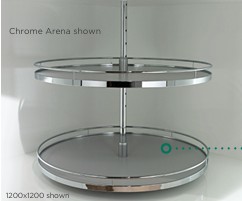
How it Saves: High-street showrooms add margins of up to 300% on factory-installed wirework pull-out larders and corner carousels. Read our companion article on The Best Kitchen Storage Ideas for Small UK Homes for clever aftermarket storage hacks.
Trade Strategy: Buy open cabinet carcasses and install aftermarket storage inserts from Hafele, Joseph Joseph, or IKEA post-installation to save £500–£1,200.
4. Affordable Material Alternatives
How it Saves: Natural marble or glass splashbacks across full walls carry high fabrication costs.
Trade Strategy: Install a matching 100mm quartz upstand along the worktop border paired with washable kitchen emulsion paint, or opt for stylish metro ceramic tiles (£20–£40/m²).
Need Advice on Your Kitchen Budget?
Download our free UK Kitchen Budgeting Template or speak with our senior design strategists to optimize your project spend.
Schedule a Free Design ConsultationIV. Balancing Budget with Desired Kitchen Design and Features
Achieving a luxury look within a realistic budget requires clever compromise and creative material pairing.
1. Feature Staging: The "Island Focus" Strategy
If solid quartz worktops across your entire kitchen exceed your financial limits, use the feature staging technique: install a high-end 30mm quartz slab on your central kitchen island (the main visual anchor) while using high-quality compact laminate on perimeter runs. Discover layout strategies for multi-functional spaces in our guide on How to Make an Open-Plan Kitchen Work Better for Family Life.
2. High-Impact, Low-Cost Design Upgrades
- Under-Cabinet LED Task Lighting: Adding warm LED strip profiles beneath wall units costs under £200 but instantly creates a luxury architectural feel.
- Trade Hardware Sourcing: High-street showrooms charge £15–£25 per handle knob. Buy solid brass or brushed nickel handles directly from trade ironmongers for £3–£6 per unit.
- Integrated Appliance Concealment: Using cabinet door fronts to conceal mid-range dishwashers and refrigerators maintains a seamless, high-end handleless look without needing top-tier appliance fascias.
Smart Sourcing Across Our UK Network
Leverage our specialist UK platforms to optimize your renovation strategy and procurement:
- Bespoke Studio Design: Explore custom layout planning and luxury finishes at Xeeni Kitchens.
- Direct Trade Carcasses: Fitters and trades can source pre-assembled 18mm carcasses directly at Trade-Kitchens.co.uk.
- German Engineering: Discover precision German ranges at The German Kitchens.
- Master Timeline Breakdown: Review our week-by-week guide in Part 1: Kitchen Renovation Timeline.
V. Conclusion and Final Tips
Managing kitchen renovation costs successfully comes down to strategic balance, disciplined pre-planning, and prioritizing long-term durability over short-term trends. By protecting key investment zones—such as cabinet carcasses, certified trade fitting, and solid worktops—while utilizing cost-saving hacks on handles, layout retention, and internal accessories, you can achieve a dream space that stays firmly within your means.
Summary Checklist for Homeowners:
- Establish a 15%–20% Contingency Buffer: Never spend 100% of your available cash on supplies; hold cash back for unexpected subfloor or wiring fixes. For deeper budgeting strategies, read How to Plan a Kitchen Renovation Without Going Over Budget.
- Lock Specs Before Ripping Out: Finalize all cabinet, worktop, and appliance models before demolition to avoid expensive in-flight changes.
- Maintain Layout Where Possible: Keeping plumbing and gas in existing positions saves £1,500 to £4,000.
- Hire Certified Trades: Always verify Gas Safe and Part P electrical credentials.
Frequently Asked Questions (FAQs)
Direct answers to common UK kitchen cost questions, optimized for search snippet eligibility:
Q1: What is the average cost of a kitchen renovation in the UK?
Answer: In 2026, an average UK kitchen renovation costs between £10,000 and £25,000 for mid-range units, appliances, and fitting. Entry-level cosmetic refreshes start around £5,000–£8,000, while premium bespoke or German engineered kitchens with structural alterations range from £30,000 to £60,000+.
Q2: What factors contribute most to the overall cost of a kitchen renovation?
Answer: Cabinetry construction (flat-pack vs rigid German carcasses), choice of worktops (laminate vs solid quartz/granite), trade installation complexity, electrical/plumbing relocations, and high-spec integrated appliances are the main drivers of total project cost.
Q3: Where should homeowners prioritize spending during a kitchen remodel?
Answer: Prioritize high-density cabinet carcasses (18mm rigid build), professional certified trade installation (Gas Safe & Part P), durable worktops (30mm quartz or sintered stone), and primary cooking appliances.
Q4: What are the best cost-saving strategies for a UK kitchen renovation?
Answer: Keep your existing room layout to avoid expensive plumbing/gas rerouting, mix doors and drawers strategically, retrofit aftermarket internal storage organizers, and choose standard quartz slab options or stylish metro tiles for splashbacks.
Q5: How much does kitchen fitting labour cost in the UK?
Answer: Professional kitchen fitting and trade labour typically costs £2,500 to £6,000, representing roughly 20% to 25% of your total renovation spend. Fitters in 2026 charge average day rates of £250 to £350.
Q6: How can I balance my budget with high-end design features?
Answer: Invest in a statement quartz island worktop while using durable laminate on perimeter runs, add under-cabinet LED task lighting, and source high-end handle hardware directly from trade suppliers.
Cited Sources & Industry References
- Royal Institution of Chartered Surveyors (RICS): UK Property Renovation Impact Study & Valuation Guidelines (2025/2026 Edition).
- Pricing Penguin & Checkatrade Data: UK Kitchen Renovation Cost Benchmark Analysis (2026).
- Kitchen Bathroom Bedroom Specialists Association (KBSA): Consumer Guide to Kitchen Planning & Trade Budgeting Standards.
- Electrical Safety First UK: Part P Building Regulations Compliance Standards for Kitchen Installations.