











 GET QUOTE
Home / Editorial / How Much Does a New Kitchen Cost in the UK? A Comprehensive 2026 Budget Guide

29 Oct 2026
How Much Does a New Kitchen Cost in the UK? A Comprehensive 2026 Budget Guide
SJ
Sarah Jenkins
Senior Kitchen Design Specialist, Trade Kitchens | Updated: August 2026
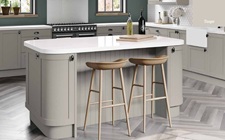
Replace with a live high-resolution image from your asset library before publishing — placeholder shown for layout only.
Whether you are a homeowner preparing for a long-awaited open-plan extension, or a portfolio landlord calculating the yield on a buy-to-let refurbishment, understanding the true cost of a new kitchen is step one. Over the past few years, the UK home improvement market has experienced significant shifts. Driven by changes in raw material availability, fluctuating energy costs affecting manufacturing, and critical adjustments in skilled labour rates, the landscape has recalibrated for 2026.
So, what does a realistic budget look like today? A kitchen is arguably the most complex room in any property to renovate. It requires the seamless coordination of multiple highly skilled trades—carpenters, plumbers, electricians, plasterers, and gas engineers—alongside the procurement of highly specific, bulky materials. Miscalculate one aspect, and your budget can quickly spiral out of control.
This comprehensive, 3,000-word deep-dive guide breaks down the true average costs in the UK today. We will explore the primary factors influencing your final bill, the extreme regional variations across the country, the hidden fees that historically catch the majority of buyers off guard, and how bypassing the high street to buy direct through a dedicated trade supplier can save you thousands of pounds without compromising on quality.
1. The State of the UK Kitchen Market in 2026
Before diving into the spreadsheets and numbers, it is vital to understand the macroeconomic context of 2026 pricing. Unlike the highly volatile post-pandemic years where timber and steel shortages caused sudden, unpredictable price spikes, 2026 has seen a stabilization in supply chains. The cost of raw materials like MDF, MFC (Melamine Faced Chipboard), and laminates has flattened.
However, labour costs have permanently reset at a higher baseline. Experienced, reliable tradespeople are in high demand. According to recent data published by the Federation of Master Builders (FMB), the skills shortage in the UK construction sector means that the split between material costs and installation costs has fundamentally shifted. Previously, a 60/40 split (60% Materials / 40% Labour) was the standard rule of thumb. Today, for many bespoke or structurally complex renovations, that split looks closer to 50/50.
2. Average Cost Tiers: What Are You Actually Buying?
There is no single "average" kitchen, as room footprints, ceiling heights, and personal tastes vary wildly from a terraced house in Manchester to a Victorian semi in London. However, industry data from authoritative bodies like the HomeOwners Alliance allows us to split the market into three clear tiers. According to their latest reports, while standard house renovations allocate between £10,000 to £20,000 for a kitchen project, nearly 10% of UK homeowners spend upwards of £50,000 on luxury refits.
For the sake of standardisation, the following tables are based on a typical UK home requiring between 8 to 12 cabinet units (a mix of base, wall, and tall larder units). Here is a breakdown of what you can expect to pay for the core materials (units, standard worktops, basic sink/taps) excluding appliances and professional installation.
| Kitchen Tier | Estimated Material Price Range (Dry Fit) | Typical Specification & Core Use Case |
|---|---|---|
| Budget / Rental HMO | £2,500 – £4,500 | Flatpack cabinets (often 15mm thick), basic post-formed laminate worktops, standard unbranded hinges, simple slab doors. Highly suited for rental portfolios, utility rooms, or tight flip projects where upfront cost is the only driving factor. |
| Mid-Range (Most Popular) | £5,000 – £9,500 | Rigid-built pre-assembled cabinets (18mm thick with cam and dowel construction), premium laminate or compact laminate worktops, soft-close hardware (like Blum or Hettich), PVC edged or painted shaker doors. The resilient standard for owner-occupied family homes. |
| Premium / Bespoke | £15,000 – £35,000+ | True handleless profiles (J-pull or integrated aluminium rails), in-frame solid wood doors, solid quartz, granite or marble worktops, custom paint-to-order finishes, extensive internal wirework (LeMans corners, pull-out pantries), and integrated smart LED lighting systems. |
3. Deep Dive: Where Does Your Material Budget Actually Go?
To keep costs strictly under control, you need granular visibility into how a kitchen quote is distributed across different product categories. If you are trying to value-engineer a project, you must know which levers to pull and where to compromise safely. The material budget broadly splits across four main categories.
A. Cabinetry and Fronts (35% - 45% of material budget)
Cabinets dictate the lifespan and structural integrity of your kitchen. If the cabinets fail, the worktop above them will warp or crack. The first major decision is the carcass format. The choice between rigid pre-assembled cabinets and flatpack units is the biggest dividing line in upfront cost versus long-term durability.
- Flatpack (Screwed): Cheaper to buy and easier to transport in the back of a standard van. However, your fitter must spend days painstakingly assembling them on-site. The £400 you save on materials at the checkout might be immediately lost to £600 in extra labour fees. Furthermore, 15mm flatpack units tend to lose their structural rigidity if they ever need to be moved or if they suffer minor water damage.
- Rigid Built (Cam and Dowel): These units are manufactured in a factory, glued, squared, and pressed under immense pressure. They arrive fully assembled, perfectly square, and vastly superior in strength. They drastically reduce the hours required by your fitter on site. At Trade Kitchens, we champion rigid unit construction because it guarantees a 10-year lifespan even under heavy family use.
Once the carcass is chosen, the door style (fascia) determines the final price group. A kitchen is visually defined by its doors. Standardizing on simpler styles, such as those found in our lower Price Groups (usually flat slab or simple foil-wrapped shaker styles), is the easiest way to lower cabinet costs by thousands of pounds without sacrificing the 18mm rigid carcass quality underneath.
Expert Perspective: The "Skin vs Skeleton" Mistake
"The single biggest mistake retail buyers make in 2026 is over-allocating their budget to luxury, paint-to-order door styles and high-end smart appliances, while simultaneously opting for cheap, thin 15mm flatpack carcasses to make the overall numbers work. This is entirely backwards.
The door is just the skin; the carcass is the skeleton. A simple, cost-effective slab door mounted on a high-density 18mm rigid-built cabinet will outlast a £200 bespoke door mounted on a flimsy flatpack every single time. Always invest in the structural skeleton first."
— Sarah Jenkins, Senior Kitchen Design SpecialistB. Worktops (15% - 25% of material budget)
Worktops can dramatically swing your final bill. They are the most utilized surface in the house, taking the brunt of chopping, hot pans, and spills. They also take up the most visual horizontal space.
- Laminate (£120 - £300 per 3m length): The undisputed budget champion. Modern high-definition laminates mimic wood grain and stone veining beautifully. However, they are susceptible to heat damage and water ingress at the joints if not fitted perfectly.
- Compact Laminate (£350 - £700 per 3m length): The breakout star of the 2026 market. This is a solid, waterproof composite core material (often 12.5mm thick) that allows for undermount sinks and routed drainage grooves. It offers the ultra-thin, contemporary profile of stone at a fraction of the price, and crucially, it can be cut with standard carpentry tools, eliminating the need for specialist stone templating.
- Solid Wood (£250 - £600 per length): Warm, traditional, and antibacterial by nature. However, wood requires high maintenance (regular sanding and oiling) and is notoriously prone to blackening water damage around Belfast sinks.
- Quartz and Granite (£2,500 - £7,000+ total installed): The premium benchmark. Highly durable, scratch-resistant, and visually stunning. However, they require a complex two-part installation: templating (measuring with lasers once the base units are fixed to the wall) and fitting (usually a week to 10 days later), which significantly bumps up the cost and extends the project timeline.
C. Appliances (15% - 25% of material budget)
Appliance costs vary wildly based on brand prestige (e.g., Beko vs. Neff vs. Sub-Zero) and integration style. Integrated appliances look sleek and modern, hidden seamlessly behind matching cabinet doors. However, they add substantial expense—not just for the appliance itself, but for the bespoke tall housing cabinet and the matching door fascia required to hide them. Furthermore, fitting integrated doors requires specific hinges and sliding mechanisms that take longer to install.
Freestanding appliances, conversely, are considerably cheaper to buy, require zero cabinetry to house, and are vastly easier to replace if they break down. For this reason, freestanding white goods remain the preferred, pragmatic route for HMO operators and high-turnover rentals.
D. Sinks, Taps, and Hardware (5% - 10% of material budget)
A basic stainless steel 1.5 bowl sink and a standard chrome mixer tap can be sourced for under £150. However, in 2026, instant boiling water taps (like Quooker or Zip) have transitioned from a luxury novelty to a highly desirable standard feature, often costing upwards of £1,000 on their own.
Similarly, cabinet handles are the jewelry of the kitchen. Switching standard D-bar handles for solid knurled brass, matte black, or brushed copper hardware can easily add £300 to £500 to the final basket. For those looking for a sleek look without the handle cost, true handleless (J-pull) doors, available via our door replacement service, offer a minimalist aesthetic, though the doors themselves sit in a slightly higher price group due to the complex routing required during manufacturing.
4. The True Cost of Fitting a Kitchen in 2026
As mentioned, labour costs have risen sharply. According to tradesperson data from platforms like Checkatrade, skilled labour rates have stabilized but remain a dominant line item. A "dry fit" refers to the carpenter simply assembling, leveling, and securing the units, cutting the laminate worktops, and hanging the doors. This assumes all plumbing, plastering, and electrical points are already perfectly in place.
For a standard 10 to 12-unit kitchen, expect to pay a professional carpenter/fitter between £1,500 and £3,500 for the installation alone.
However, kitchens rarely exist in a vacuum. A true refit involves a highly choreographed sequence of trades, each adding to the final bill:
- Rip-out and Disposal: £300 – £600 (Labour only). Removing old units without damaging the underlying plaster requires care.
- Certified Electrician (Part P Registered): £400 – £1,200. Moving sockets, installing LED under-cabinet lighting, or adding a dedicated high-amp circuit for a modern induction hob is strictly regulated work.
- Plumber / Gas Safe Engineer: £300 – £800. Rerouting hot and cold feeds for a new sink location on an island, or capping off old gas lines safely.
- Plasterer: £400 – £900. Removing old splashback tiles almost always destroys the plaster beneath. Skimming the room to provide a flat, glass-like surface for painting is usually non-negotiable.

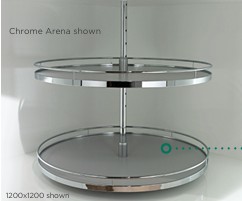
Replace with a live image from your asset library before publishing — placeholder shown for layout only.
5. Regional Price Variations Across the UK
Where your property is physically located drastically impacts the labour portion of your quote. While material costs—if bought online from a national trade supplier—remain static across the country, local day rates for tradesmen do not. The cost of living, parking, logistics, and localized skills shortages create massive disparities.
The table below illustrates the estimated day rates for a skilled kitchen fitter in 2026 across different UK regions, based on aggregated industry data.
| UK Region | Average Fitter Day Rate (2026) | Labour Impact on a 5-Day Install |
|---|---|---|
| London & South East | £280 – £450+ | £1,400 – £2,250+ |
| South West & East Anglia | £230 – £300 | £1,150 – £1,500 |
| Midlands & Wales | £200 – £260 | £1,000 – £1,300 |
| North of England & Scotland | £180 – £250 | £900 – £1,250 |
For landlords or property investors, this regional disparity highlights why utilizing standard flatpack materials in London can actually be a false economy. The higher the local day rate, the more critical it becomes to specify rigid, pre-assembled cabinets from a supplier featuring diverse kitchen brands to minimize expensive time on site.
6. The Hidden Costs to Watch Out For
When setting your budget, it is absolutely critical to ring-fence a 10% to 15% contingency fund. The initial quote for units is never the final price of the fully functioning room. The following items frequently ambush renovators halfway through a project when cash flow is tightest:
Waste Removal and Skips
Your old kitchen has to go somewhere. Fitting a new kitchen generates a massive volume of heavy, awkward waste, including shattered ceramics, bulky MDF carcasses, and non-recyclable worktops. Skip hire prices have risen due to landfill tax increases. Budget at least £250–£500 for a medium-sized (6-yard to 8-yard) builder's skip. In London and urban centres, you must also pay the local council for a skip permit and potentially suspend parking bays.
Flooring and Sub-floor Preparation
Most kitchen quotes end at the plinths (kickboards). If you are changing the footprint of the kitchen—for instance, removing a peninsula to add a central island—you will expose bare, untreated subfloor. You must budget for new flooring (whether that is LVT, engineered wood, or ceramic tiles) plus the labour to lay it. Furthermore, if the concrete subfloor is uneven, it will require a self-leveling latex compound before any flooring can be laid, adding hundreds of pounds to the bill.
Decorating and Finishing Touches
Once the plaster is dry and the units are in, the room still needs painting. Decorators are rarely included in the fitter's quote. Professional painting, caulking, and installing new skirting boards or architraves will add another day or two of labour and material costs.
Structural Surprises
Once the old cabinets are ripped off the wall, horrors can be revealed. Rising damp, crumbling Victorian brickwork, or dangerous legacy wiring that fails current electrical safety standards will need immediate, unbudgeted remediation before the new kitchen can safely go in.
7. Trade vs. Retail: Why Bypassing the High Street Saves Thousands
One of the most effective ways to maximize your budget is understanding how the supply chain works. Traditional high-street kitchen retailers operate with massive overheads. They pay premium commercial rent for large showroom spaces, heating, electricity, bespoke display models, and they employ highly commissioned salespeople and managers.
All of these operational costs are baked directly into the price of your kitchen cabinets. Furthermore, many retail parks push low-grade, mass-produced flatpack furniture hidden behind fancy showroom lighting and aggressive seasonal "sales" that never truly end.
By buying direct from a dedicated online supplier, you bypass these retail markups entirely. Whether you are a homeowner embarking on an extension or a developer looking for reliable supply, securing trade pricing allows you to either dramatically lower your total spend, or more smartly, reinvest those savings. You can read our full breakdown on online vs showroom pricing here to see exactly how the numbers stack up.
The Smart Upgrade Path
By saving 30% on retail markups, you can upgrade from a 15mm flatpack to a premium 18mm rigid carcass, or upgrade your worktop from standard laminate to a waterproof compact laminate, without increasing your overall budget ceiling by a single penny.
8. Expert Tips to Reduce Your Budget Without Compromising Quality
If your budget is exceptionally tight, or you are renovating purely for rental yield, there are strategic ways to value-engineer your design. You can reduce your spend significantly without installing a kitchen that will fall apart under heavy use:
- Do Not Move the Services: Leaving the sink (plumbing) and the oven (gas/heavy electrical lines) exactly where they currently are is the single fastest way to shave £1,000+ off your installation bill. Moving services under concrete floors or channeling into solid masonry walls requires days of expensive prep work.
- Avoid Curves and Custom Panels: Curved corner units, custom-sized bespoke cabinets, and intricate traditional cornices look beautiful but are exponentially more expensive to manufacture and notoriously tricky (and time-consuming) to fit. Stick to straight lines, standard 600mm/1000mm cabinet widths, and simple square end panels.
- Mix and Match Worktops Smartly: If you crave the luxury of quartz but cannot afford it across a massive open-plan space, use a high-quality wood-effect laminate for the perimeter runs against the walls, and save the expensive quartz exclusively for the feature island where it will make the most visual impact.
- Source Your Own Appliances: Kitchen suppliers often mark up the appliances they bundle with the units. Take the specifications and dimensions, and hunt for deals, open-box discounts, or seasonal sales on standard white goods independently.
- Embrace Open Shelving: Wall cabinets are expensive. Swapping out a run of upper cabinets for thick, floating timber shelves not only saves money on cabinetry but also opens up smaller spaces, making the kitchen feel larger and more modern.
9. ROI: Does a New Kitchen Actually Add Value to a Property?
For homeowners planning to sell in the next five years, or developers flipping a property, the Return on Investment (ROI) is crucial. According to property market valuations from the Royal Institution of Chartered Surveyors (RICS), a new, well-designed kitchen is one of the few home improvements that consistently delivers a strong return. It can add between 4% and 6% to the total value of a home.
However, the key to a good ROI is proportionate spending. Spending £40,000 on a bespoke luxury kitchen in a terrace house valued at £250,000 is a guaranteed loss—you will never see that money back in the valuation. The ceiling price of the street dictates the ceiling price of your renovation.
Conversely, spending £8,000 on a durable, mid-range rigid kitchen with a smart layout in the same house will likely increase the property value by £12,000 to £15,000, making it a highly profitable upgrade. For rental properties, a new kitchen drastically reduces void periods (the time a property sits empty without generating rent) and allows landlords to command a higher monthly rental yield.
10. Next Steps: Planning Your Kitchen Journey
Knowing the numbers is the first step; locking in the right specification is the second. Thorough planning, a realistic contingency budget, and partnering with the right supplier will ensure your project stays on track and on budget.
To begin pricing up your own project accurately without relying on vague estimates, explore our interactive tools. You can view exactly how much different styles cost by browsing our full kitchen catalogue, experiment with different finishes, and build a cart to see the true trade price of your 2026 renovation.
Frequently Asked Questions (FAQ)
How much should I budget for kitchen installation in 2026?
In 2026, the average cost for fitting a standard 10-unit kitchen in the UK ranges from £1,500 to £3,500. However, in London and the South East, skilled day rates for fitters average £300 to £450, pushing the installation cost significantly higher depending on the complexity of the plumbing and electrical work required.
Can I save money by keeping my existing kitchen layout?
Absolutely. Keeping the sink, oven, and major appliances in their current locations dramatically reduces plumbing and electrical costs. Avoiding structural subfloor work or wall chasing can save you anywhere from £500 to £1,500 on total installation fees, making it the smartest way to value-engineer a renovation.
What percentage of my budget should go towards kitchen cabinets?
As a general rule, kitchen cabinetry (the carcasses and the frontal doors) will consume about 35% to 45% of your total material renovation budget, making it the largest single physical expense. Worktops typically follow at 15-25%.
Are trade kitchens genuinely cheaper than high-street retailers?
Yes. Buying direct from a trade supplier bypasses showroom markups, national marketing budgets, and salesperson commissions. You can typically secure a higher-spec rigid cabinet (pre-assembled with cam and dowel) for a similar or lower price than a basic 15mm flatpack from a retail park brand.
Do I need planning permission for a new kitchen in the UK?
Generally, no. Replacing an existing kitchen in its current footprint falls under permitted development. However, if your new kitchen requires a home extension, involves structural changes like removing a load-bearing wall, or is within a listed building, you will need planning permission and building control sign-off.
Related Trade Resources & Guides
| Internal Resource | Description & Benefit |
|---|---|
| Rigid vs. Flatpack: The Ultimate Breakdown | Understand the structural engineering differences and see exactly why rigid units save time and money during installation. |
| Volume Pricing for Landlords & Developers | Our definitive guide on standardizing specifications and managing multi-site deliveries for HMOs and property portfolios. |
| Replacement Kitchen Doors & Fascias | Refresh your existing space on a tight budget by purchasing high-quality replacement doors without changing the structural carcasses. |