















 GET QUOTE
Home / Editorial / Before You Hire a Man-and-Van Kitchen Fitter: 7 Questions That Could Save Your Renovation

28 Aug 2026
Before You Hire a Man-and-Van Kitchen Fitter: 7 Questions That Could Save Your Renovation
A fitted wardrobe going wrong is a headache. A kitchen going wrong can mean a flooded floor, a gas leak, or a room you can't cook in for months while you find someone to fix it. Kitchen renovations involve plumbing, gas connections, electrical circuits, and — usually — a much larger deposit than almost any other home improvement job.
A Kitchen Isn't a Wardrobe — the Stakes Are Different
A fitted wardrobe going wrong is a headache. A kitchen going wrong can mean a flooded floor, a gas leak, or a room you can't cook in for months while you find someone to fix it. Kitchen renovations involve plumbing, gas connections, electrical circuits, and — usually — a much larger deposit than almost any other home improvement job.
That combination of higher technical risk and higher financial exposure is exactly why the questions below matter more here than almost anywhere else in home renovation. None of them are designed to catch anyone out. They're the questions a legitimate fitter — sole trader or company — should be able to answer without hesitation.
1Do You Have Public Liability Insurance, and Can I See Proof?
In a kitchen, this isn't an abstract formality. A botched plumbing connection can mean water damage to your flooring and the room below. A dropped worktop can crack tiles. An electrical fault during first use can cause real harm. Public liability insurance is what stands between an accident and you personally covering the cost of putting it right.
UK insurance industry research into the self-employed workforce has found that a significant proportion of sole traders carry no business insurance of any kind. There's no general legal obligation forcing a sole trader to hold it for domestic work — which is exactly why asking is entirely down to you. A legitimate fitter should be able to produce a current certificate within minutes of being asked.
2Is Your Gas and Electrical Work Certified by a Registered Engineer?
This one isn't optional, and it isn't really a matter of preference — it's the law. Any work on a gas hob or gas connection must be carried out by a Gas Safe registered engineer. New electrical circuits and consumer unit work should be certified by a registered electrician (NICEIC or an equivalent body).
A one-person operation doing "everything themselves," including gas and electrical connections without the relevant registration, is not just a quality risk — it's a safety and legal one. A properly structured company brings in registered specialists for this work as standard, rather than treating it as something any generalist can handle.
What to ask: "Who specifically will carry out the gas and electrical connections, and can I see their registration number?"
3Can I See Finished Work in Person, Not Just Photos?
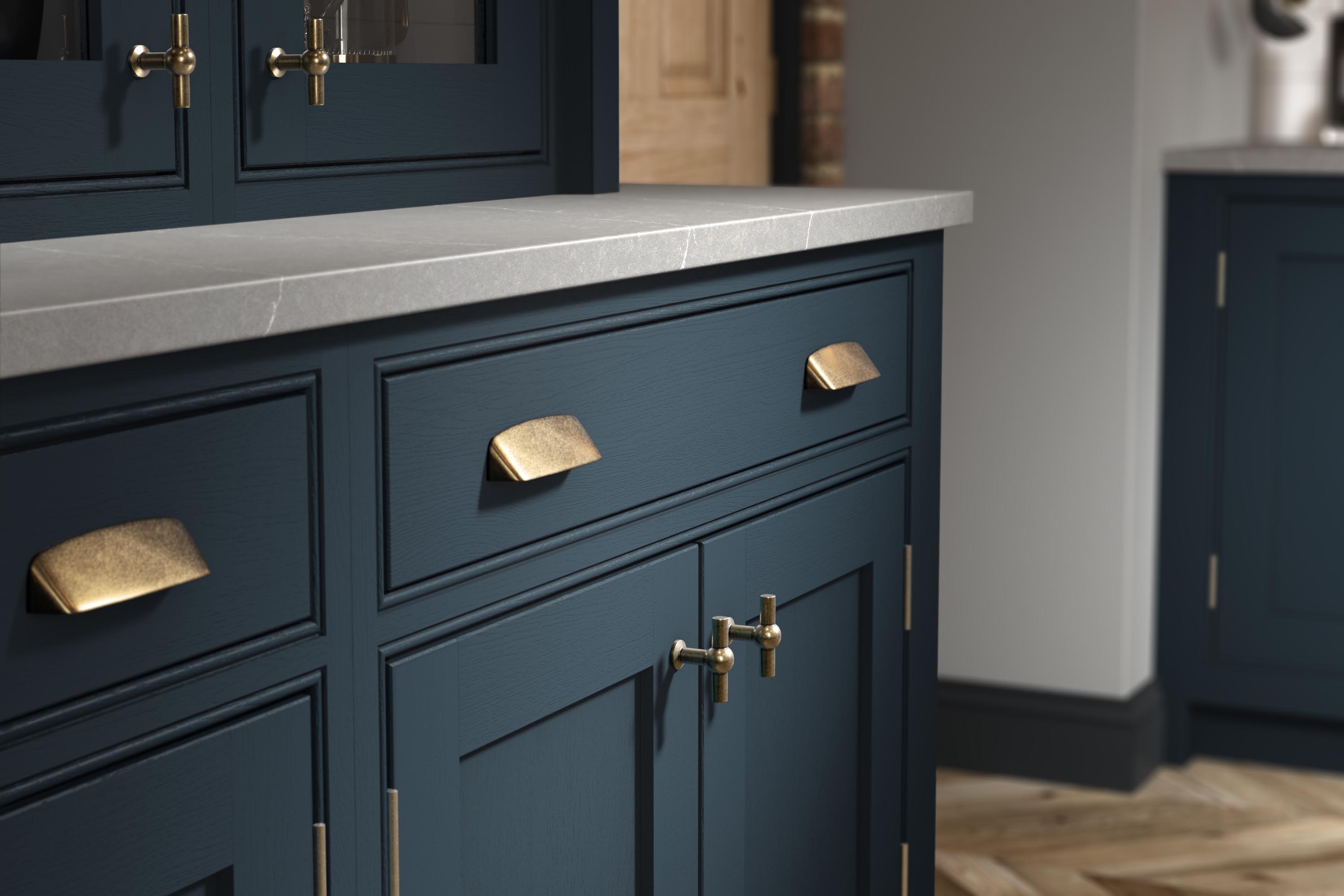
Cabinet construction, worktop joins, drawer mechanisms, and finish quality are genuinely hard to judge from a phone photo — and almost impossible to judge from a supplier's stock catalogue image. A showroom visit lets you handle the actual materials: check how a soft-close drawer feels under real weight, see a worktop edge profile up close, and compare finishes under proper lighting rather than a phone screen's colour rendering.
If a fitter has no fixed premises to visit and can only offer photos of "similar" past jobs, that's a meaningful information gap — not a dealbreaker on its own, but a real one.
4What Happens to My Deposit If the Job Doesn't Start on Time (or at All)?
This is the question that matters most for the exact situation many homeowners dread: a deposit paid, a start date that keeps slipping, and eventually silence. UK consumer bodies log tens of thousands of home improvement complaints every year, with a meaningful share linked to suspected rogue-trader activity and vanished deposits.
The protection against this isn't luck — it's structure. Ask specifically:
- Is there a written contract specifying the start date, scope, and payment stages?
- Is the deposit tied to a specific milestone, or a single lump sum paid upfront with no conditions?
- Is payment made to a registered business account, or a personal individual?
Practical rule: never pay the full project cost upfront. A staged payment schedule tied to design sign-off, order confirmation, and completion protects you far better than one large payment before any work begins.
5Who Do I Call If Something Goes Wrong After Installation?
A kitchen sees more daily wear than almost any other room — doors open dozens of times a day, worktops take constant impact, plumbing connections are tested every time a tap runs. Something needing a follow-up adjustment isn't unusual. What matters is whether there's a real process for that, or just one mobile number that may or may not be answered once the final invoice is paid.
A team-based aftercare process — a support line, a documented guarantee, someone available even if the original fitter is on another job — is structurally something a single-person operation cannot replicate, regardless of how good that individual is.
6Is This a Registered Company or a Personal Arrangement?
A quick, free check on Companies House tells you whether you're dealing with a registered business or an individual trading informally. This matters enormously if a dispute ever arises: a registered company can be pursued through the small claims process; an unregistered individual working cash-in-hand is much harder to trace and hold accountable. Ask, too, about any relevant trade body membership — a real, checkable credential, even though it's not a guarantee of perfection on its own.
7What's Actually Included in This Quote?
Bring the comparison back to value, not just price. Ask for the materials and hardware specification in writing (not "MDF units" but which grade, which hardware brand), the exact guarantee term and what it covers, and whether design and planning support is included at all or charged separately.
See the difference in person.
Visit our West London kitchen showroom or book a free design consultation.
Visit our West London kitchen showroom or book a free design consultation.
A Quick Reference: The 7 Questions in One Checklist
- Can you show me proof of current public liability insurance?
- Who specifically carries out the gas and electrical work, and what's their registration?
- Can I see finished work in person, not just photos?
- What's the payment schedule, and is my deposit tied to specific milestones?
- What's the process if I need a follow-up visit after installation?
- Are you a registered company, and can I check that independently?
- What exactly is included in this quote — materials, guarantee, design support?
Save this list. Any fitter worth hiring should be able to answer all seven clearly and without hesitation.
FAQ
Is it legal for someone without Gas Safe registration to fit a gas hob?
No. Any work involving a gas appliance or connection legally must be carried out by a Gas Safe registered engineer. This is a legal requirement, not a quality preference, and it's one of the clearest, most checkable red flags if a fitter is vague about it.
How much deposit is reasonable to pay upfront for a kitchen renovation?
There's no single fixed figure, but a large upfront lump sum with no staged structure is a risk signal. A properly structured payment plan ties instalments to specific milestones — design sign-off, order confirmation, completion — rather than requesting the full amount before work begins.
What should I do if my kitchen fitter has gone quiet after taking a deposit?
Keep all communication in writing to build a paper trail, check Companies House to see if they're a registered business, and contact Citizens Advice or Trading Standards for guidance on recovering the deposit.
Does a company always cost more than a sole trader for the same kitchen?
Not always, but a genuine price difference usually reflects real cost differences — a showroom, a design team, registered specialists for gas and electrical work, insurance, and an aftercare process. Compare what's included, not just the number at the bottom of the quote.