









 GET QUOTE
Home / Editorial / How Much Does a Fitted Kitchen Really Cost? A Full Renovation Breakdown

28 Aug 2026
How Much Does a Fitted Kitchen Really Cost? A Full Renovation Breakdown
When most people ask "how much does a new kitchen cost," they're usually picturing one number. In reality, that number is made up of five separate segments — units, worktops, tiling, removal and disposal of the old kitchen, and installation — each with its own price range and its own cost drivers. Understanding them separately is the only way to sanity-check a quote or budget accurately before you start.
When most people ask "how much does a new kitchen cost," they're usually picturing one number. In reality, that number is made up of five separate segments — units, worktops, tiling, removal and disposal of the old kitchen, and installation — each with its own price range and its own cost drivers. Understanding them separately is the only way to sanity-check a quote or budget accurately before you start.
This guide breaks down each segment with current UK market pricing, then brings them together into a worked total for a representative kitchen.
Why "Kitchen Cost" Usually Means More Than the Units
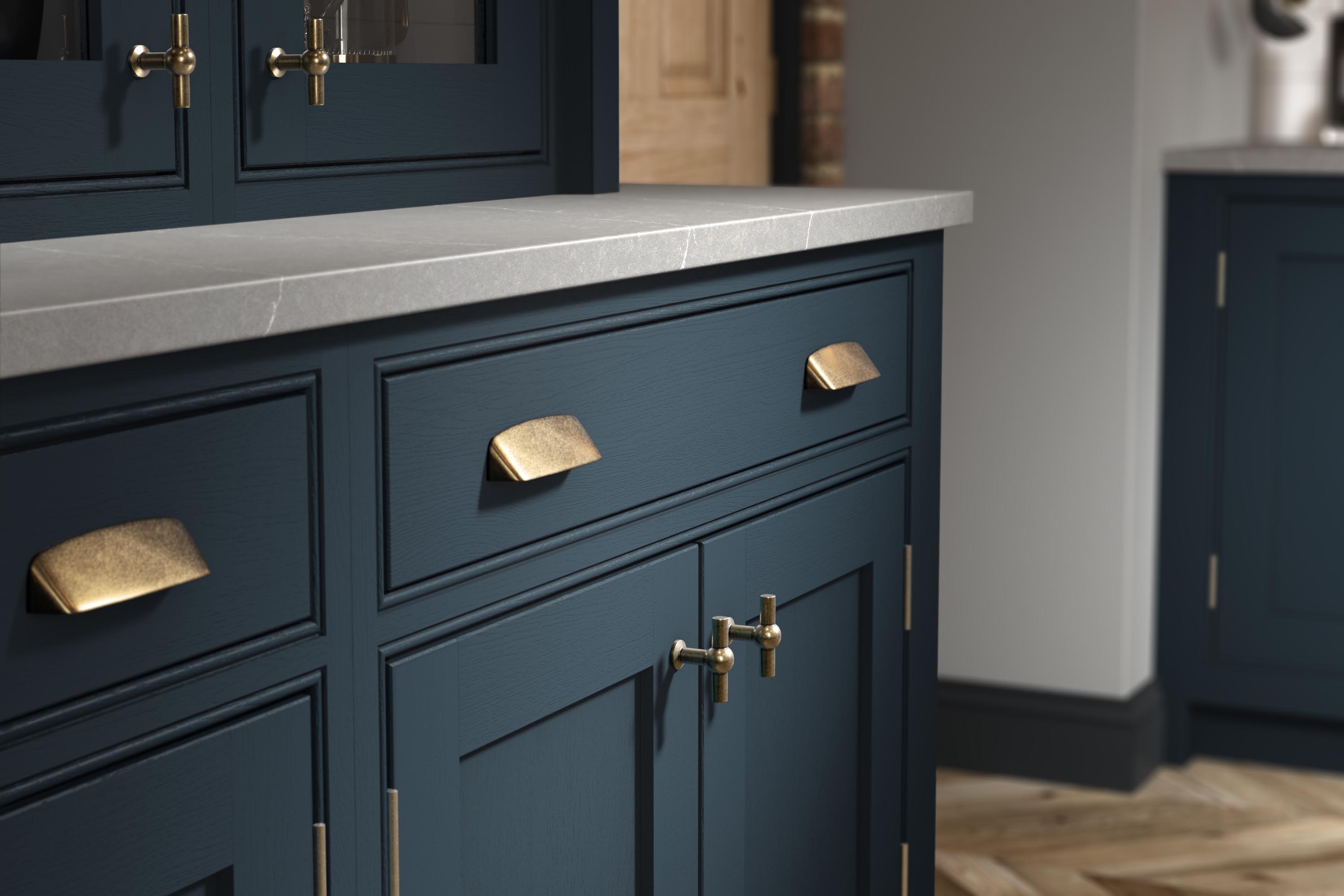
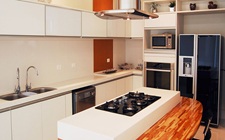
Cabinetry is the part of a kitchen renovation homeowners think about first, and it's the part most kitchen retailers quote most prominently — Xeeni Kitchens' own ranges, for example, start from roughly £2,200 for 12 units in a high-gloss or matt finish, rising to £8,500+ for premium finishes like cottage classics. But units are only one of five segments that make up the total cost of getting a working kitchen. Worktops, tiling, removal of the old kitchen, and installation all add to the figure — and they're often where a budget goes wrong, because they're easy to underestimate or forget entirely.
Segment 1 — Units and Cabinetry
This is the segment most homeowners already have a sense of, and it scales primarily with finish and specification:
- High gloss / matt (entry level): from around £2,200 for a 12-unit kitchen
- Oaks & woods, whites & ivory: from around £2,800–£3,600
- Grey tones, custom painted: from around £3,500–£6,500
- Statement colours, striking & vibrant designs: from around £7,000–£8,000
- Cottage classics (premium, traditional detailing): from around £8,500
What drives cost within this segment: finish and door style, handleless vs. handled construction, and the total number of units required for your layout.
Segment 2 — Worktops
Worktop cost varies more than almost any other segment, because material choice has such a wide range:
| Material | Typical Cost Per m² (Supplied & Fitted) |
|---|---|
| Laminate | £35–£150 |
| Solid wood | £120–£250 |
| Granite | £180–£450 (entry from ~£180, premium up to £450) |
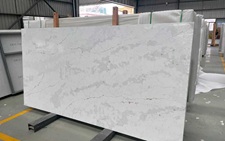
| Quartz | £150–£900 (entry £150–£250, mid-range £250–£400, premium higher) |
What drives cost within this segment: the material itself, edge profile (a simple pencil edge vs. a bullnose or waterfall edge), the number of cut-outs needed for sinks and hobs, and templating (a precise on-site measure before the worktop is cut, standard practice for stone worktops in particular).
Segment 3 — Tiling
Tiling is one of the most commonly underestimated segments, partly because it's priced by area rather than by unit, which makes it easy to overlook at the budgeting stage.
- Labour only: typically £25–£50 per m² for standard wall tiling
- Splashback areas specifically: often £70–£90 per m², reflecting the extra cutting required around sockets, hobs, and extractor points
- Materials: standard tiles from a few pounds per tile up to £70–£150 per m² for natural stone
- A small kitchen splashback project: often starts around £250 in total
- Pattern complexity: a herringbone or other decorative layout can add roughly 30–40% to labour time compared with a simple grid pattern
London and South East pricing typically runs meaningfully above national averages for both materials and labour — worth factoring in specifically if you're budgeting in or around the city.
Segment 4 — Old Kitchen Removal and Disposal
This segment is genuinely easy to forget when budgeting, because it doesn't produce anything visible in the finished kitchen — but it's a real cost that needs planning for.
- Skip hire: a 6-yard skip suitable for a standard kitchen strip-out typically costs £230–£300 for the hire period
- Council permit (if the skip needs to sit on a public road): typically an additional £30–£70
- A dedicated kitchen removal service (cabinets, sink, and worktop removed and taken away): often £150–£450 all-in
- Man-and-van waste removal as an alternative to a skip: often £150–£220 for a medium kitchen's worth of waste
One practical note: electrical appliances generally cannot go into a standard skip and need separate WEEE recycling — worth confirming with whoever is managing removal so nothing gets left behind on collection day.
Segment 5 — Installation and Labour
Installation typically covers fitting the units, worktop templating and fitting, and — where applicable — coordinating with plumbing and electrical trades for sink, tap, and appliance connections. In many quotes, this is bundled into the overall price rather than itemised separately, which is worth asking about directly (see the checklist below).
A Worked Example: Total Cost for a Representative Kitchen
The table below illustrates how the five segments might combine for a mid-size, 12-unit kitchen with a mid-range worktop and a modest splashback — clearly an illustrative example, not a quote, since real costs depend on your specific kitchen size, layout, and property access.
| Segment | Illustrative Cost Range |
|---|---|
| Units (mid-range finish, 12 units) | £3,500–£6,500 |
| Worktop (mid-range quartz, ~4m²) | £1,000–£1,600 |
| Splashback tiling (~3m²) | £500–£800 |
| Old kitchen removal & disposal | £230–£450 |
| Installation & labour | Often bundled — confirm separately |
| Illustrative total (excluding appliances) | ~£5,200–£9,300+ |
Appliances, plumbing/electrical work beyond standard connection, and any structural changes (moving a wall, relocating a gas or water point) sit outside this range and should be quoted separately.
What's Usually Included in a Kitchen Quote (and What to Check Isn't Missing)
Before comparing two quotes, confirm each one covers the same segments:
- Are units and worktop both included, or is worktop priced separately?
- Is worktop templating included, or charged as an extra visit?
- Is removal and disposal of the old kitchen included, or is that on you to arrange?
- Is tiling included at all, or does it need a separate tiler?
- Is appliance connection (plumbing, electrics) included in installation, or billed separately?
A quote that's missing two or three of these isn't necessarily a bad quote — but it's not comparable to one that includes them, and the gap needs to be added back in before you compare totals.
Ways to Manage the Cost Without Compromising the Result
- Choose a mid-tier worktop material (solid wood or entry-level quartz) paired with a premium cabinet finish — often reads as more considered than a plain cabinet finish with an expensive worktop
- Use a simpler tiling layout (straight grid rather than herringbone) to reduce labour cost while keeping material quality high
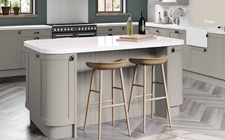
- Phase an island addition for a later project stage if the core kitchen budget is tight
- Ask specifically whether removal and disposal is included — it's a small line item that's easy to forget until it's missing
Want an itemised quote covering all five segments? Book a free design consultation.
FAQ
What's the average cost of a full kitchen renovation in London?
It varies considerably by kitchen size and specification, but combining current UK segment pricing — units, worktop, tiling, and removal — a mid-range 12-unit kitchen typically lands somewhere in the region of £5,000–£10,000 before appliances, with London costs often running above the national average for labour specifically.
Is worktop cost usually included in the cabinetry price, or separate?
This varies by supplier and quote — always confirm explicitly rather than assuming. Worktop is priced very differently depending on material (laminate vs. quartz, for example, can differ by several thousand pounds across a kitchen), so it's one of the most important line items to clarify upfront.
How much does old kitchen removal and disposal typically add to the cost?
Based on current UK pricing, expect somewhere in the £150–£450 range for a standard kitchen strip-out and disposal, depending on whether it's arranged via skip hire or a dedicated removal service.
Does tiling cost more than most homeowners expect?
Often, yes — splashback tiling specifically tends to cost more per square metre than general wall tiling because of the extra cutting required around sockets and appliances, and it's a segment that's easy to forget when budgeting only for units and worktop.
What's the biggest single cost driver in a kitchen renovation?
Worktop material choice tends to have the widest swing — the difference between a laminate worktop and a premium quartz worktop across a typical kitchen can run into several thousand pounds, more than most other single decisions in the project.